
SLEEP APNEA IN NORTH CAROLINA
Breathe Better.
Sleep Deeper.
Wake Rested.
Sleep apnea can affect far more than your sleep—it impacts your energy, focus, and long-term health. Our approach focuses on addressing the root causes through targeted, non-invasive therapy.
What Is Sleep Apnea?
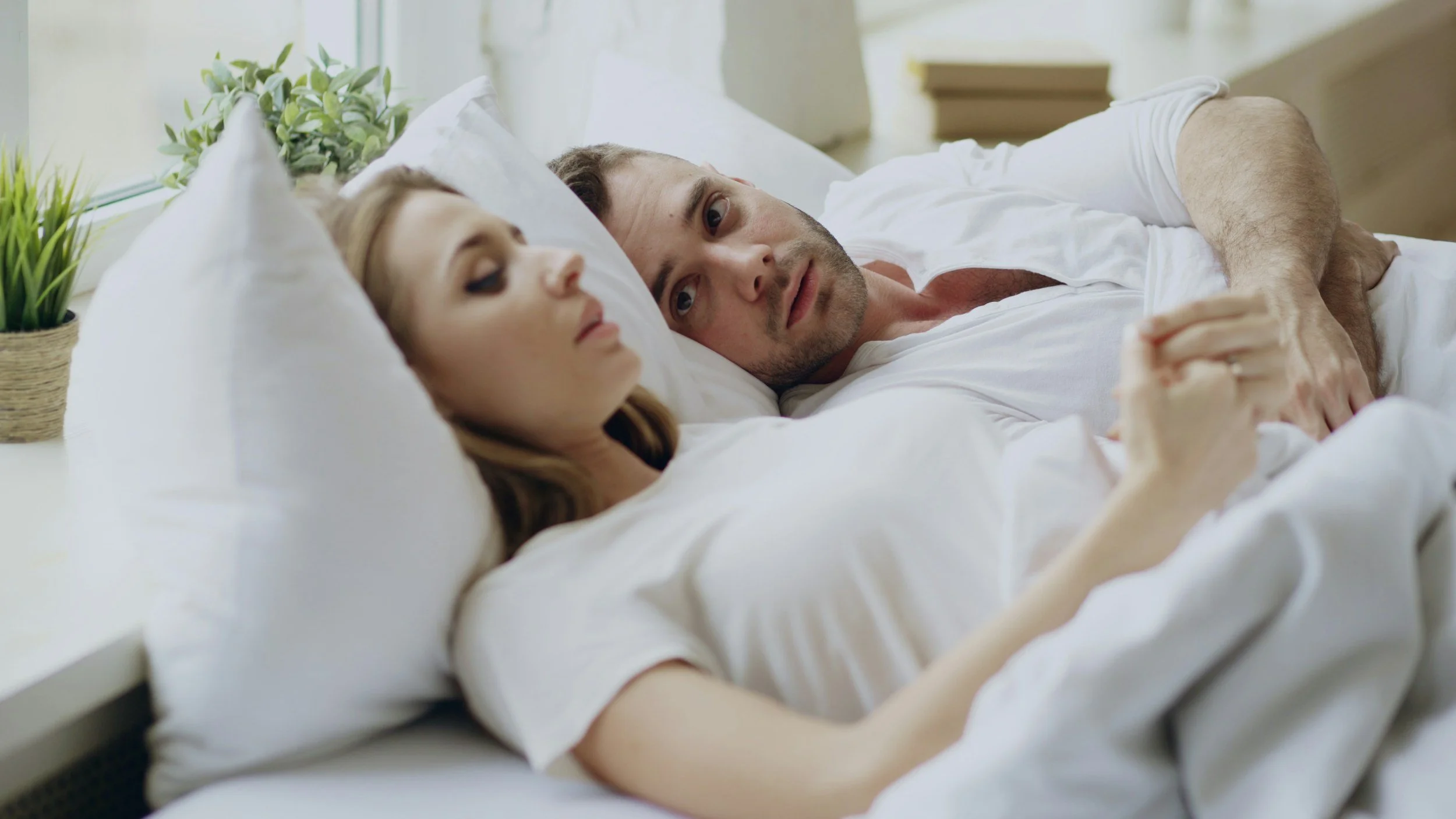
Sleep apnea is a condition where breathing repeatedly stops and starts during sleep. These interruptions can last for seconds or longer and may occur dozens—or even hundreds—of times per night.
The most common form, obstructive sleep apnea (OSA), occurs when the airway becomes partially or fully blocked during sleep. This can reduce oxygen levels, disrupt sleep cycles, and place stress on the body.
Many people are unaware they have sleep apnea, but the effects are often felt throughout the day.

Signs You May Be Experiencing Sleep Apnea
If these symptoms feel familiar, it may be time to explore a deeper evaluation.
Loud Snoring
Daytime Fatigue Or Low Energy
Gasping Or Choking During Sleep
Morning Headaches
Frequent Waking Or Restless Sleep
Difficulty Concentrating
Dry Mouth Upon Waking
A Root-Cause Approach to Better Sleep
Rather than only managing symptoms, we focus on improving the function of the muscles and structures that support your airway. Our approach may include:
Myofunctional therapy to strengthen the tongue and airway muscles
Breathing pattern retraining
Postural awareness and correction
Habit and lifestyle guidance
This integrative method supports more efficient breathing—both during the day and while you sleep.

What to Expect
Your journey begins with a comprehensive assessment to understand your breathing patterns, muscle function, and contributing factors.
From there, we create a personalized plan designed to support long-term improvement. Sessions are guided, supportive, and focused on building sustainable habits that carry into your daily life.


Why Addressing Sleep Apnea Matters
Untreated sleep apnea can contribute to chronic fatigue, reduced cognitive function, and increased strain on the cardiovascular system. By improving your breathing and sleep quality, you can experience better energy and focus, enhanced mood and mental clarity, more restorative sleep, and overall improved health and well-being.

-
Myofunctional therapy can significantly improve symptoms of mild to moderate obstructive sleep apnea by strengthening the muscles that support the airway. However, it is not considered a standalone “cure” for all cases. Many clients use it alongside treatments like CPAP or oral appliances, while others are able to reduce their dependence over time.
-
It can be a supportive or complementary approach. For some individuals, it helps improve airway function enough to reduce CPAP pressure needs or improve comfort and compliance.
-
Many clients begin noticing improvements in breathing, snoring, and sleep quality within a few weeks, with more significant changes developing over consistent practice.
-
People with mild to moderate sleep apnea, snoring, mouth breathing habits, or poor tongue posture often benefit the most.
Breathe Better. Live Better.
Root-cause therapy designed for long-term wellness — in person or online.
Your path to better breathing begins here.