
TMJ RELIEF IN NORTH CAROLINA
Relieve Jaw Tension.
Restore Natural Movement.
Jaw pain, clicking, and tension can affect more than just your mouth—it can impact your sleep, posture, and daily comfort. Our approach focuses on improving function, not just masking symptoms.

What Is TMJ Dysfunction?
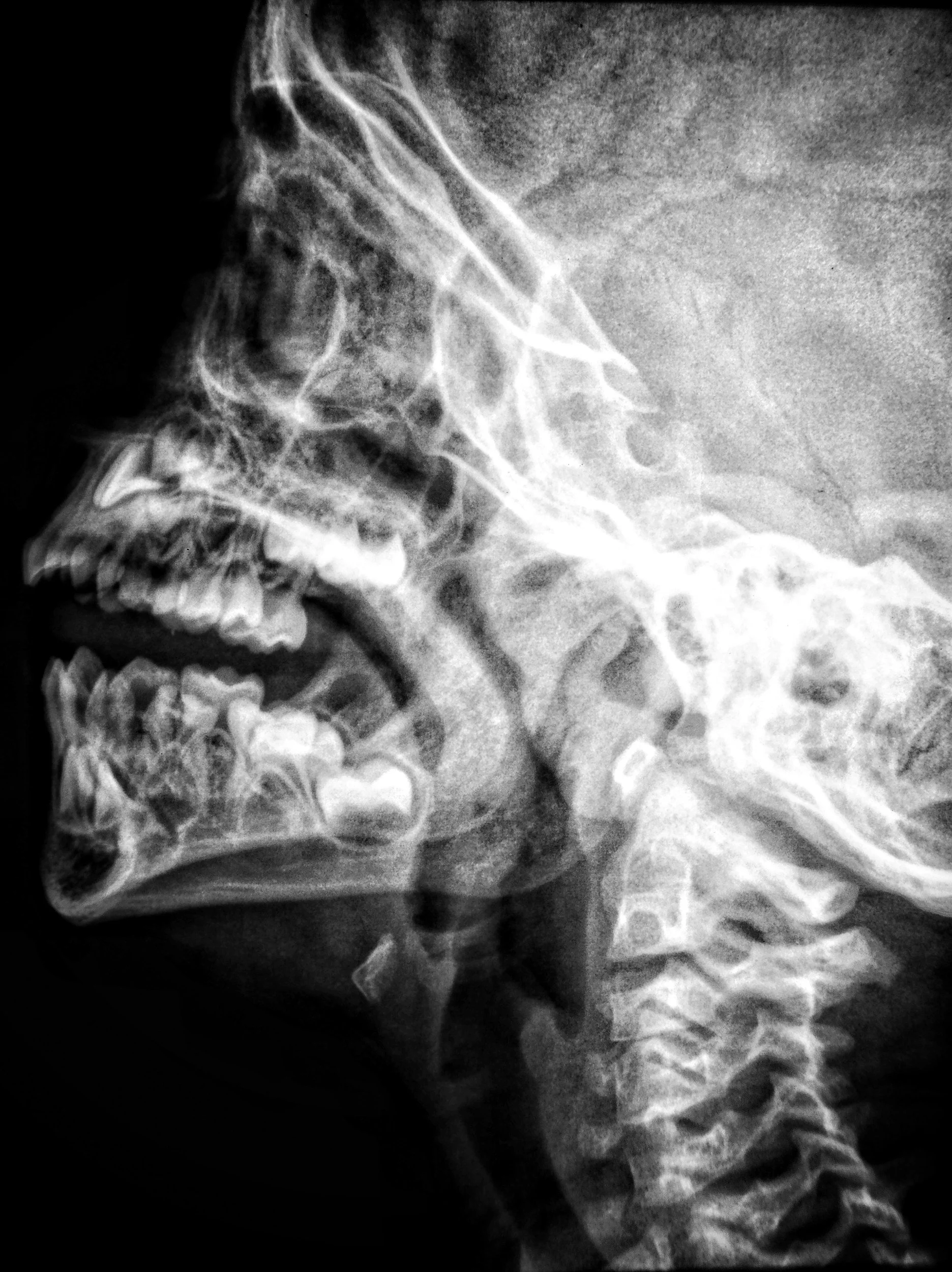
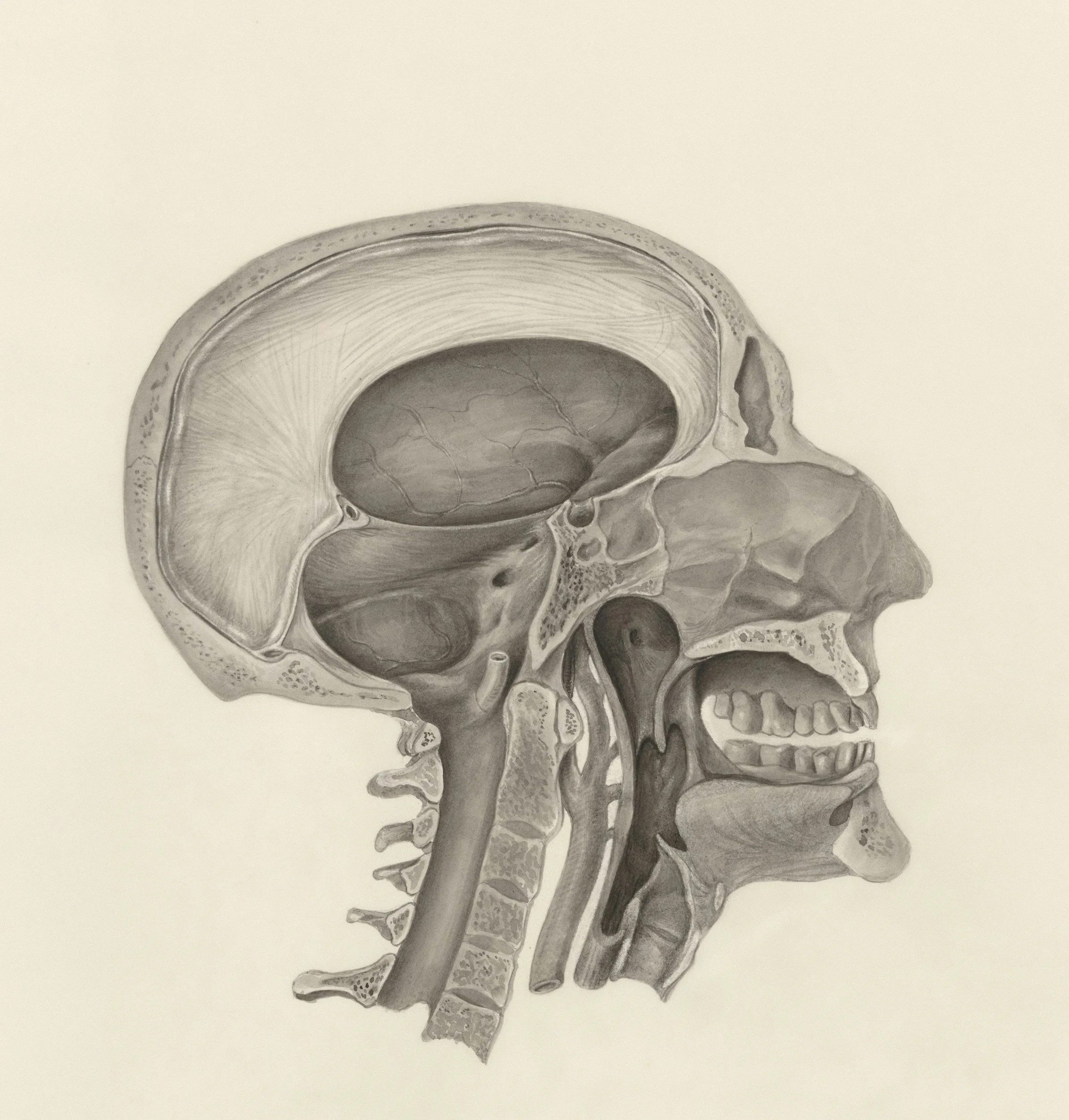
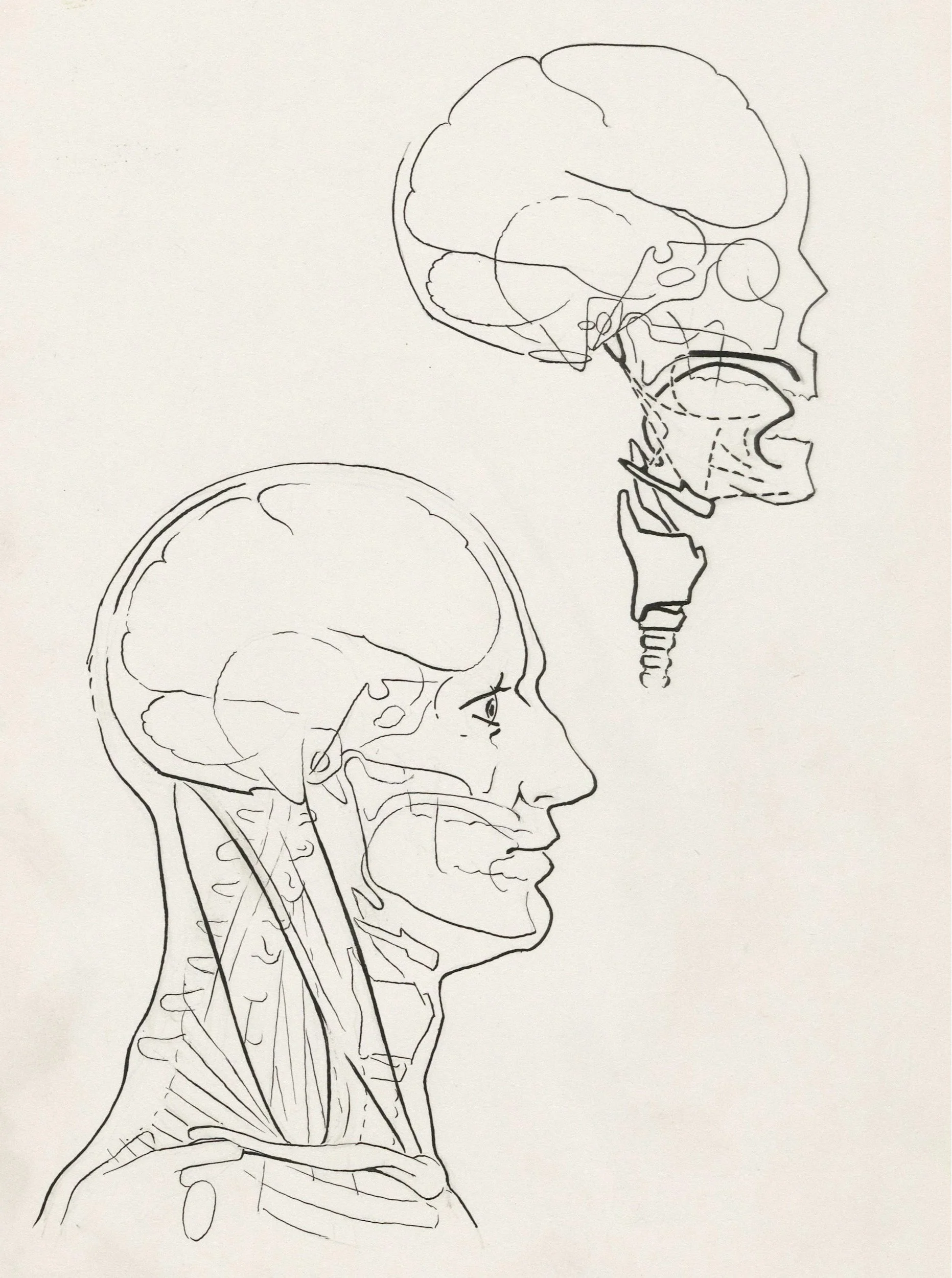
TMJ (temporomandibular joint) dysfunction refers to issues affecting the jaw joint and surrounding muscles. This joint connects your jaw to your skull and plays a key role in speaking, chewing, and breathing.
When the joint or muscles are not functioning properly, it can lead to pain, tension, and restricted movement.
Common Signs of TMJ Dysfunction
These symptoms often develop gradually and can worsen over time if left unaddressed.
Jaw Pain Or Soreness
Neck And Shoulder Tension
Clicking, Popping, Or Grinding Sounds
Teeth Clenching Or Grinding (Bruxism)
Difficulty Opening Or Closing The Mouth
Ear Pain Or Pressure
Headaches Or Migraines

What Contributes to TMJ Dysfunction?
TMJ issues are often multifactorial, meaning they develop from a combination of habits, muscle imbalances, and structural patterns.
Common contributing factors include:
Poor tongue posture
Mouth breathing
Chronic clenching or grinding
Stress and tension patterns
Postural imbalances (especially head and neck)
Addressing these root causes is key to long-term relief.
A Functional Approach to TMJ Relief
Our approach focuses on restoring balance and coordination in the muscles that support the jaw, tongue, and airway.
Your plan may include:
Myofunctional therapy exercises
Jaw and tongue coordination training
Breathing pattern retraining
Postural awareness and correction
Habit awareness (clenching, resting posture)
Rather than temporary relief, we aim for sustainable improvement in function.

Why Address TMJ Dysfunction?
TMJ dysfunction doesn’t just affect your jaw—it can impact your overall comfort, sleep, and quality of life. By improving function, you may experience reduced pain and tension, better jaw mobility, fewer headaches, improved sleep quality, and less strain on surrounding muscles.
-
The best treatment depends on the root cause. For many individuals, a combination of myofunctional therapy, habit awareness, and muscle retraining can significantly reduce symptoms without invasive procedures.
-
Yes. Many cases of TMJ dysfunction improve with conservative, non-invasive approaches that address muscle function, posture, and daily habits.
-
Yes. Myofunctional therapy focuses on improving the coordination and strength of the muscles that support the jaw, which can reduce tension and improve movement.
-
Some clients notice reduced tension and improved comfort within a few weeks, with continued progress over time through consistent practice.
Breathe Better. Live Better.
Root-cause therapy designed for long-term wellness — in person or online.
Your path to better breathing begins here.